Women & Girls at Risk of Offending
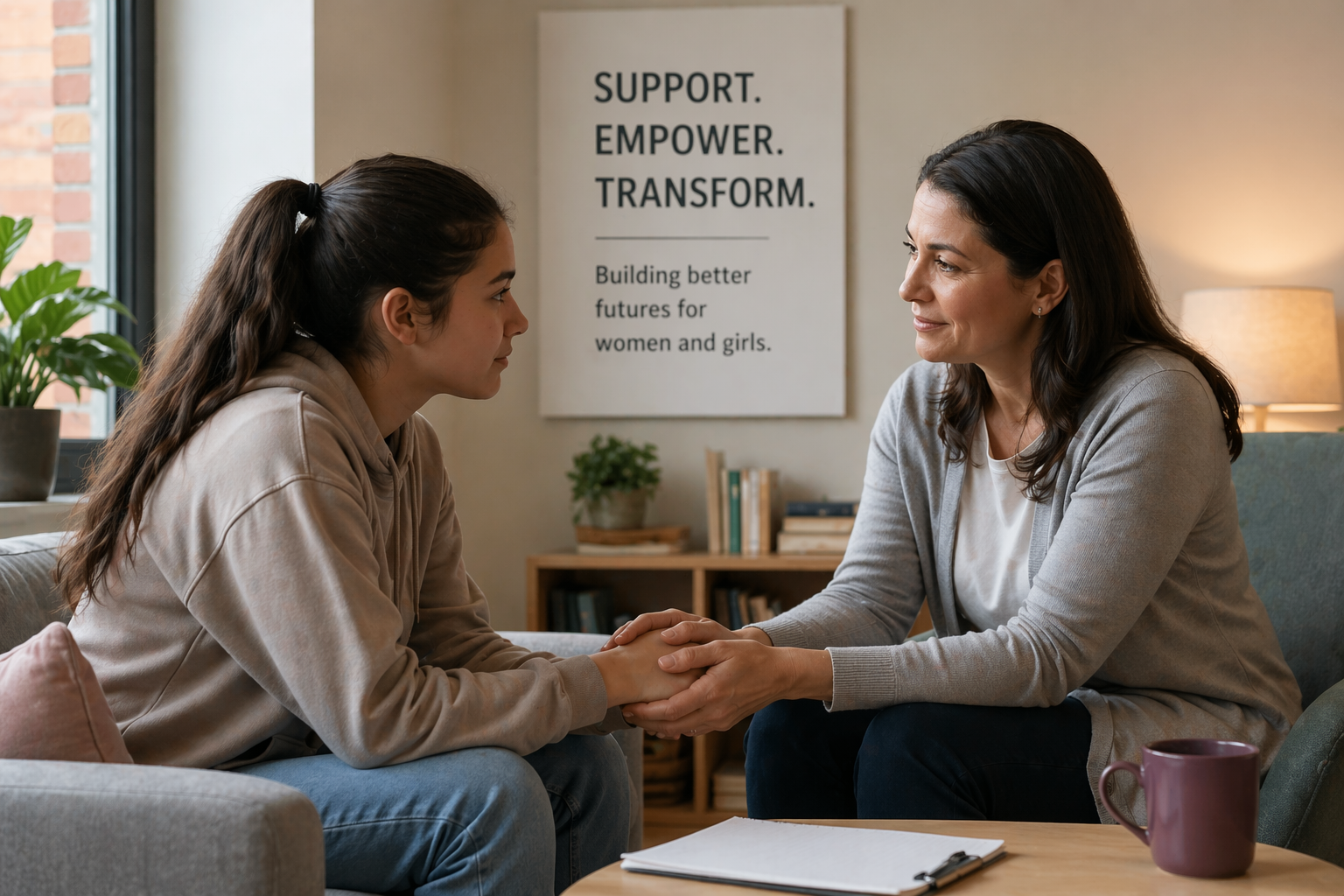
Cascade is our women and girls offenders, ex-offenders and those at risk of entering the criminal justice project.
Cascade focuses on providing a holistic approach to women and girls at risk of entering the criminal justice system and those already in it.
We work at Pupil referral units (PRUs), prisons and partner with other organisations to provide support and interventions for young girls and women at risk of or involved in the criminal justice system, with the aim of reducing reoffending behaviours or preventing first convictions.

We provide welfare support, employment advice, counselling and therapy, mentorship, support navigating relationships and more.
Women At Risk FAQs
Women at risk of entering the criminal justice system often benefit from early intervention services including mentoring, mental health support, family support, financial literacy, employability programmes, and trauma-informed counselling. BeLifted provides holistic support that addresses the root causes of offending, including poverty, exploitation, domestic abuse, and social isolation.
Early intervention helps identify risks before they escalate into criminal justice involvement. Through mentoring, emotional wellbeing support, positive role models, and practical guidance, women and girls can develop resilience, improve decision-making, strengthen protective relationships, and access opportunities that reduce vulnerability to exploitation and offending.
Women leaving the criminal justice system often face barriers including unemployment, poor mental health, housing insecurity, family breakdown, financial hardship, and social stigma. Many have experienced trauma, abuse, or exploitation, making access to wraparound support essential for successful rehabilitation and reintegration.
BeLifted supports women and girls through mentoring, confidence-building programmes, financial wellbeing support, employability guidance, therapeutic interventions, and community-based activities. Our trauma-informed approach focuses on rebuilding self-esteem, developing life skills, and creating positive pathways into education, training, employment, and community engagement.
Poverty can increase vulnerability to offending by creating financial pressures, housing instability, social exclusion, and increased exposure to exploitation. Women experiencing poverty may face difficult circumstances that affect their wellbeing and decision-making. Addressing economic inequality is therefore a key part of preventing criminal justice involvement.
Domestic abuse can have a significant impact on women's mental health, financial stability, and personal safety. Some women become involved in offending due to coercive control, exploitation, survival behaviours, or the long-term effects of trauma. Specialist support can help women recover, regain independence, and reduce future risks.
Poor mental health can increase vulnerability to risk-taking behaviours, substance misuse, exploitation, and disengagement from education or employment. Many women involved in the criminal justice system have experienced trauma, anxiety, depression, or adverse childhood experiences. Trauma-informed mental health support can play a crucial role in prevention and rehabilitation.
Schools, local authorities, youth services, community organisations, social workers, and other professionals can refer women and girls to BeLifted's support programmes. We work collaboratively with referral partners across London to provide early intervention, mentoring, wellbeing support, and pathways to positive opportunities.
Effective rehabilitation often requires wraparound support that addresses multiple needs simultaneously. This may include housing advice, mental health services, employment support, financial guidance, mentoring, family support, education opportunities, and community connections. A holistic approach helps reduce reoffending and supports long-term stability.
Probation services primarily focus on statutory supervision and compliance with court requirements. BeLifted complements these services by providing voluntary, relationship-based support that focuses on wellbeing, confidence, employability, financial resilience, family stability, and personal development. Our approach addresses the wider social and emotional factors that contribute to long-term positive outcomes.